

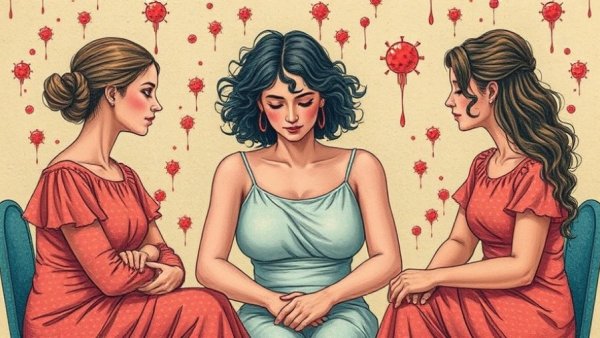
The Unseen Struggles of Women with Autoimmune Conditions
For many women, the act of caregiving has been ingrained from a young age, often leading to suppressed needs and desires. Sara Hirsh Bordo’s reflections on her experiences with chronic illness reveal how societal and familial expectations can intertwine with personal health struggles. As she explores these themes in her book, Autoimmunity and the Good Girls, Bordo takes a critical look at the expectations passed down through generations, which can manifest in heightened stress and ultimately impact physical health. She emphasizes that understanding these dynamics can help women navigate their journeys with greater awareness and empowerment.
The Weight of Expectations
Bordo makes a compelling case that the need to be the "good girl"—to be useful and accommodating—can lead women to neglect their health. Her observations and experiences suggest that this pervasive need to fulfill roles often leads to self-erasure, wherein women might place their health on the back burner to ensure they meet everyone else's expectations. She encourages a mindset shift, challenging the ingrained belief that one must prioritize others above oneself. This unwavering sense of duty may be linked to autoimmune diseases, as evidenced by her informal survey of 300 women revealing that a staggering 70 percent identified as eldest or only daughters. While this correlation needs further scientific examination, it highlights the potential influence of familial roles on health. The implications of such findings suggest a need for greater awareness among both healthcare professionals and patients about the psychological stresses that could contribute to chronic conditions.
Breaking the Cycle: How Mindfulness Can Help
This brings to light an important aspect of mindfulness meditation, which teaches individuals how to be present with their feelings and experiences, rather than just reacting to them due to external pressures. Mindfulness encourages practicing awareness of self—an essential tool for those burdened by the weight of expectations. Daily mindfulness practices, such as mindful breathing techniques or body scan meditation, help cultivate a sense of inner peace and can lead to personal transformation, even amid chronic illness. Research has shown that mindfulness-based interventions can reduce symptoms of anxiety and depression, making them a vital consideration for anyone coping with long-term health issues. Moreover, such practices foster resilience, allowing women to navigate their challenges with a renewed sense of agency.
Storytelling as Healing
Bordo’s insight that "our body doesn’t just speak science, it speaks story" resonates strongly in discussions of mindfulness and health. Each individual's health narrative is unique and shaped by countless experiences and societal expectations. By sharing these stories, women may find healing and a sense of belonging, a concept rooted in mindful self-compassion. This idea echoes the age-old belief that when we recognize our shared struggles, we create spaces for understanding and support. The act of storytelling not only serves as an emotional release but also helps women articulate their experiences, fostering a sense of community and validation in their struggles. As they recount their health journeys, they can discover the patterns of behavior that may have been passed down or learned, allowing a greater understanding of their challenges and the courage to confront them.
What Are We Afraid Of?
At the heart of Bordo's exploration lies a powerful question: what are we afraid will happen if we stop fulfilling the roles expected of us? Many women experience fears surrounding acceptance, belonging, and identity when they choose to prioritize themselves. Mindfulness meditation offers a pathway to confront these fears, allowing individuals to process them and redefine their sense of self, free from societal constraints. This liberating practice empowers women to reclaim agency over their lives, even while managing chronic conditions. As they mindfully navigate these fears, they can begin to see the possibilities that come from stepping outside of societal norms, redefining their identities beyond the parameters of being caregivers or 'good girls.'
The Impact of Generational Patterns
Many women’s stories reflect long-standing patterns of behavior that stem from previous generations. Bordo's discussions with women in her book club highlight how these fears and expectations are often echoes from one’s mother and grandmother, inspiring a cycle of responsibility and self-neglect. Recognizing these patterns can be a powerful part of healing; understanding why we carry certain burdens opens the door to personal transformation. Each story shared can provide insight into the web of expectations that women navigate, forging pathways for change. For many, recognizing that these fears are inherited rather than intrinsic can act as a release, allowing them to step away from behaviors that no longer serve them.
Realizing the Benefits of Mindfulness
For women grappling with autoimmune conditions, incorporating elements of mindfulness into daily living can create shifts in both mental and physical health. Mindfulness for anxiety, mindful eating habits, and guided mindfulness exercises have been associated with various health benefits, including reduced stress and improved emotional well-being—integral components for combating chronic illness symptoms. Research continues to support the notion that mindfulness practices can lower markers of inflammation, which in turn can positively affect autoimmune conditions. Furthermore, by committing to a mindfulness practice, women can learn to savor their experiences, engage more fully with life, and cultivate a greater sense of joy amid their struggles.
Final Thoughts
Bordo’s journey and the stories of the women she speaks with underscore the significance of prioritizing self-care and confronting ingrained expectations. Mindfulness and compassion towards oneself are vital not just for healing but for establishing a new narrative—one that values presence and individual stories over societal pressures. This reimagined outlook encourages women to seek authenticity in their lives and health journeys. As we understand more about the intersection of autoimmunity and personal narratives, the call to reclaim our stories becomes imperative. It is essential for women, particularly those managing their health, to recognize the power they hold in shaping their narratives and the critical role of mindfulness in this transformative process.
(Consider exploring mindfulness techniques to aid in your journey of self-discovery and healing. Every step towards prioritizing your health is an act of courage that can pave the way for a more authentic and fulfilling life.)



Write A Comment