

Understanding Gratitude: More Than Just a Feeling
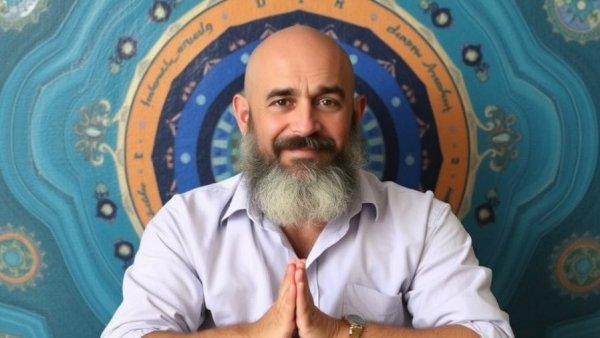
Gratitude is often seen as a simple notion associated with saying 'thank you' or appreciating the good moments in life. However, it embodies a profound practice that invites us to acknowledge both the small joys and the challenges we face. Shamash Alidina's approach teaches us to cultivate gratitude while accepting the full spectrum of our experiences. This nuanced perspective allows us to grow emotionally and mentally, creating a foundation for resilience in our daily lives.
By recognizing that gratitude isn't just for the bright moments, we open ourselves up to a more authentic and full expression of our emotions. This realization can significantly affect how we cope with stress and uncertainty, especially in today's fast-paced world filled with pressures and challenges. When we embrace gratitude as more than just a pleasant feeling, we empower ourselves to face every situation, whether joyful or difficult, with a balanced mindset.
Mindful Meditation: The Intersection of Gratitude and Presence
In the practice of mindfulness meditation, the core focus is on being present. Mindfulness for anxiety, for example, encourages individuals to ground themselves in the current moment, rather than becoming lost in overwhelming thoughts or worries. Guided mindfulness exercises can help foster an awareness of both positive and negative experiences. Combining gratitude with mindfulness deepens our understanding of the present, allowing room for all feelings—both good and bad.
Practicing mindfulness invites us to observe our thoughts and feelings without getting caught up in them. By acknowledging our emotions, we create the space needed to incorporate gratitude, even during difficult times. This might mean feeling grateful for the lessons we learn from challenges, which can unexpectedly lead to personal growth and deeper insight into our own lives.
The Science Behind Mindful Living
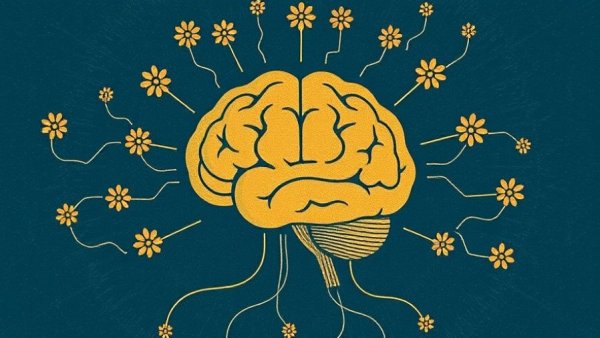
Research continually highlights the numerous benefits of mindfulness. Studies show it can lead to lessened anxiety, improved mental health, and a greater sense of well-being. Practicing mindfulness meditation supports the prefrontal cortex—the area of the brain responsible for regulating emotions. As we learn to appreciate life's simpler joys and navigate through difficult emotions, we enhance our emotional intelligence and resilience.
This scientific backing reveals that with regular practice, mindfulness can physically reshape our brains and improve our emotional responses. Taking time each day to reflect on what we are grateful for impacts our mental health profoundly and has been shown to foster connections with others, enhancing our social lives and support systems.
Practical Tips for Daily Mindfulness Practices
Integrating mindfulness into our daily routines does not require extensive time commitment; rather, it can be woven through small moments. Try incorporating mindful eating habits, where each bite is savored and appreciated. This small shift can open the door to greater awareness and appreciation for food, enhancing both our relationship with it and our overall well-being. Mindful breathing techniques are another excellent practice, providing calmness and focus throughout the day.
Consider starting each day by writing down three things you are grateful for. This simple act can set a positive tone for the day ahead and keep your mind anchored in the present. Similarly, taking a few minutes to engage in mindful walking—paying attention to each step and the sensations in your body—can create a powerful meditative experience that enhances your overall awareness and well-being.
Embracing the Full Spectrum: Mindful Self-Compassion
Mindfulness also teaches us about self-compassion, which is vital in recognizing that we all face challenges. It’s possible to have gratitude while still feeling upset or overwhelmed. This is where mindful self-compassion enters; it helps us to honor our struggles without judgment and encourages us to treat ourselves with kindness. By practicing this form of mindfulness, we can develop stronger emotional resilience and be more at peace with our experiences.
Embracing self-compassion can help mitigate the often harsh self-criticism that many struggle with. Remembering that it’s okay to not feel okay sometimes can be liberating. This approach invites us to accept our feelings of frustration or sadness while still finding moments to be grateful for. Over time, this practice can lead to a more compassionate understanding of oneself and others.
The Role of Community in Mindfulness
Engaging with a community that values mindfulness can enhance your practice significantly. Sharing experiences, attending mindfulness meditation sessions, or participating in group exercises can help solidify your understanding of these practices. Community support amplifies your commitment to practicing gratitude and mindfulness, enriching your journey.
Local mindfulness groups, workshops, or online forums can provide connections to like-minded individuals. Engaging in discussions or group reflections can foster a sense of belonging and motivation to keep practicing gratitude amidst life challenges. Building a supportive network of fellow practitioners can enrich your journey, offering perspectives and encouragement that may otherwise be lacking.
Taking Action: Embrace Mindfulness Today
Now that you understand the intricacies of gratitude within the context of mindfulness, why not begin implementing these practices today? Whether through body scan meditation or simple mindful moments throughout your day, there’s ample opportunity to explore gratitude without ignoring any feelings that arise. The commitment to mindfulness and awareness will benefit not just you but also those around you.
Engage in daily practices that resonate with you, be it through journaling, mindful walking, or meditation. Find what feels right and make it a part of your everyday rhythm. Each moment you spend mindfully can cultivate a sense of inner peace and connection with the world.
Conclusion: A Journey of Mindfulness
Incorporating gratitude with room for everything else encourages a balanced emotional state and a deeper appreciation of life. It allows for vulnerability and connection. As you continue your journey through mindfulness practices, remember to celebrate the small moments and embrace the challenges, enhancing both personal growth and mental well-being.
As you move forward, keep in mind that mindfulness and gratitude are not destinations but ongoing journeys. They require persistence and dedication, but the rewards are immeasurable. By inviting gratitude into your life while honoring the full range of your experiences, you cultivate a richer, more connected existence.



Write A Comment