

Understanding the Science of Gratitude
In recent years, the exploration of gratitude has transcended philosophical discourse, taking its place in scientific inquiry as researchers reveal how this profound emotion transforms our mental and physical health. While gratitude is celebrated across cultures and religions for its uplifting qualities, new studies have illuminated what occurs in our brains when we allow ourselves to feel thankful.
Understanding the physiology of gratitude not only informs us of its benefits but also offers actionable strategies to harness its full potential. In an era dominated by stress and anxiety, utilizing gratitude as a daily practice can be an effective antidote to negativity. This growing body of research encourages us to recognize that gratitude is not merely a fleeting feeling, but rather a skill that can be cultivated with intention.
The Grateful Brain: What Happens Inside?
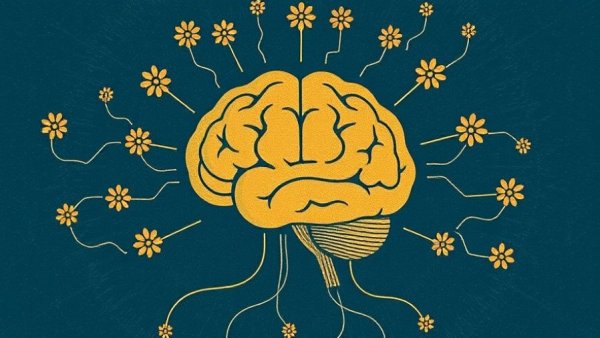
The journey into the neurobiology of gratitude has revealed a complex picture of brain activity. Neuroscientists are employing functional magnetic resonance imaging (fMRI) to observe changes in brain activity when individuals express gratitude. Remarkably, the brain regions activated during gratitude overlap with those that control social bonding and pleasure — suggesting that gratitude is deeply connected to our innate social nature.
By inducing feelings of gratitude through poignant narratives, researchers have witnessed exciting results. One study utilized powerful testimonies from Holocaust survivors, deliberately structured to evoke gratitude. Participants were asked to immerse themselves in scenarios of selflessness, leading to an increase in measured gratitude levels alongside notable changes in brain activity. This method not only highlights the scientific intrigue surrounding gratitude but also underscores how powerful storytelling can evoke deep emotional responses.
Gratitude's Impact on Mental and Physical Health
Boosting our understanding of gratitude's physiological effects can lead to significant improvements in mental health and well-being. Studies have shown that practicing gratitude can enhance sleep quality, strengthen romantic relationships, and may even fortify our immune systems. Understanding this emotional state demonstrates the mind-body connection — how positive feelings can lead to better overall health.
For instance, by incorporating simple daily mindfulness practices that encourage gratitude, individuals can cultivate a mindset that prioritizes appreciation over negativity, thus paving the way for enhanced mental resilience. Moreover, when we take a moment to reflect on what we are thankful for, we tend to shift our focus from what we lack to what we have, creating a mental space that promotes overall well-being.
Harnessing Gratitude in Daily Life
So, how can we practically apply the insights gleaned from scientific research into our lives? One effective tool is to integrate gratitude into daily mindfulness practices. Keeping a gratitude journal, for instance, can reinforce positive thinking by encouraging individuals to reflect on and document what they are thankful for each day. This practice can be a simple but profound way to remind ourselves of the abundance in our lives.
Mindful breathing techniques can also cultivate awareness of positive emotions, which allows one to stay present and appreciative. Taking a few moments to focus on the breath can help us anchor ourselves in the moment, creating the mental clarity to recognize what brings us joy and appreciation.
Incorporating guided mindfulness exercises focused on gratitude helps solidify this practice. Techniques like body scan meditation or mindful eating habits can reinforce awareness and appreciation, aiding in reducing anxiety and fostering a sense of peace. These exercises not only promote gratitude but also contribute to a more mindful lifestyle that can lead to overall improved mental health.
Why Cultivating Gratitude Matters
By making a conscious effort to cultivate gratitude, we can reshape our mental landscape and improve our emotional lives. The benefits extend beyond personal well-being — they create a ripple effect in our communities. When we express gratitude, we inspire others to do the same, cultivating a culture of appreciation and support. Practicing gratitude fosters social connections, making us feel more engaged with our surroundings and less isolated in our experiences.
Moreover, recognizing and expressing gratitude can enhance relationships not only with others but also with ourselves. It encourages self-compassion and strengthens our emotional resilience, as embracing gratitude often leads to a more balanced perspective on our challenges.
Common Misconceptions about Gratitude
Despite its powerful effects, gratitude is often misunderstood. One common misconception is that gratitude is merely a passive sentiment — something that happens to us. In reality, gratitude is an active practice requiring effort and intentionality. Furthermore, many may believe that gratitude requires specific conditions to flourish. Research highlights that even amidst hardship or challenges, gratitude can emerge through focused thought and reflection.
Understanding that gratitude can be cultivated irrespective of external circumstances is essential. It allows individuals to thrive, even in adverse situations, and demonstrates that a grateful mindset can help individuals recover from stress and trauma.
Final Thoughts: Taking Action with Gratitude
To harness the vast benefits of gratitude, take time each day to practice it in a meaningful way. Engage in mindfulness activities, journal your thoughts, and reflect on how gratitude influences your life. As these practices become habitual, you will likely find improved mental clarity, emotional strength, and increased happiness.
In the pursuit of emotional well-being, gratitude provides a transformative avenue that not only benefits us personally but also enhances the lives of those around us. Start with small steps, such as expressing thanks during a morning coffee or reflecting on three good things before bed, and witness how these moments can lead to significant changes in your mental health and overall perspective.





Write A Comment