

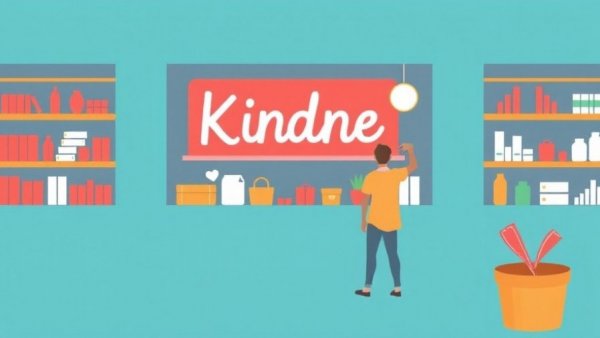
Reviving Connection Through Kindness
In a world that often feels disconnected, small acts of kindness in public spaces remind us of our innate longing for connection. Whether it's holding the door open for a stranger, offering a kind word, or simply sharing a smile, these interactions serve as lifelines, fostering a sense of community. John Ptacek's reflections on kindness illuminate how even during challenging times, we possess the capacity for compassion. This powerful sentiment is a core principle in mindfulness meditation, where being present can transform our perception of daily interactions. In a society that often rushes from task to task, stopping to consider the feelings and experiences of those around us can make all the difference.
The Role of Mindfulness in Everyday Kindness
Practicing mindfulness is not just about personal well-being; it is also about how we engage with the world around us. By developing mindfulness for anxiety and stress, we are better equipped to notice the needs of others, creating opportunities for kindness. When we become more aware of our surroundings through mindfulness practices, we begin to see moments where we can make a positive impact, no matter how small. Engaging in daily mindfulness practices allows us to cultivate awareness, enhancing our ability to express compassion spontaneously.
Guided mindfulness exercises, such as meditation and breathing techniques, can help us become more attuned to our surroundings, allowing us to foster connections that might otherwise be overlooked. For instance, when we practice active listening, we show those around us that their thoughts and feelings are valued, thus encouraging a deeper connection. Instead of merely moving through the motions of interaction, mindfulness enables us to create a foundation of understanding and empathy with our fellow beings.
Benefits of Kindness on Mental Health
Research has shown that kindness and compassion can significantly improve mental health. Engaging in acts of kindness releases oxytocin, often referred to as the “love hormone,” which can lower stress levels and foster a sense of belonging. In today’s fast-paced world, mental health challenges can be daunting, with anxiety and loneliness becoming common experiences. However, incorporating mindful living tips into our daily routine can further amplify these benefits, making kindness not just an occasional act, but a habitual practice that enriches the lives of both the giver and the receiver.
Moreover, participating in kind acts can cultivate a sense of purpose and fulfillment. Whether it is volunteering at a local shelter or simply offering a compliment to a co-worker, these actions build a sense of community and interconnectedness. The positive effects on mental health also extend to others, creating a supportive environment where individuals feel valued and appreciated.
How To Be Present for Others
Being present amid life's chaos can feel overwhelming. Yet, mindfulness techniques such as mindful breathing and body scan meditation can help ground us, allowing us to show up fully for others. By minimizing distractions and focusing on the moment, we become more responsive to the needs of those around us. This presence can lead to deeper interactions in public spaces, where a few minutes of genuine attention can uplift both the giver and the receiver of kindness.
For example, during a busy day, taking a moment to appreciate the work of service providers, whether it’s the barista making your coffee or the postal worker delivering your mail, can transform a routine interaction into something meaningful. These moments remind us to express gratitude and foster an atmosphere of mutual respect and appreciation.
Transforming Everyday Interactions
Taking the step from mindless self-indulgence to mindful engagement can be a life-changing decision. When we prioritize being present, we open ourselves to the myriad of opportunities for kindness throughout our day. For example, during routine errands or even while commuting, we can demonstrate mindful eating habits—such as enjoying a meal with appreciation or complimenting a cashier with sincere gratitude. Furthermore, being aware of our body language during interactions can also enhance how we connect with others, making them feel seen and acknowledged.
Such small acts can transform mundane interactions into meaningful connections, contributing to a collective atmosphere of warmth and care. A simple 'thank you,' an openhearted smile, or a moment of conversation can create ripples of kindness throughout our community. In urban areas where people often feel isolated despite being surrounded by others, these tiny gestures carry the potential to restore human connection.
Inspiration for Cultivating Compassion
Consider this a call to action: let’s pledge to become ambassadors of kindness. Every act, no matter how small, contributes to a ripple effect that can radically change our social landscape. By sharing kindness, we not only uplift others but also enrich our own lives. Inspirational quotes remind us that 'kindness is a language which the deaf can hear and the blind can see.' Image the change we can create simply by embracing this ethos in our daily routines! By engaging in discussions about kindness on social media, participating in community events, or even initiating kindness challenges among friends, we can collectively cultivate a culture of compassion.
Concluding Thoughts
As we navigate the complexities of contemporary life, let’s not lose sight of the simple power of kindness. Whether through mindfulness meditation, practical exercises, or just a moment spent with someone in need, we can choose to extend compassion. Let this serve as a gentle reminder that in fostering kindness, we pave the way for connection, creating a more vibrant and supportive community. This intentional approach to our interactions not only strengthens our own mental health but also nurtures the well-being of those around us. In this way, kindness becomes a thread that weaves us all together, creating a tapestry of support and love within our communities.





Write A Comment