
cropper
Health N Wellness
  • Home
  • Categories
    • health
    • wellness
    • lifestyle
    • nutrition
    • mindfulness
    • self
November 19.2026
4 Minutes Read

How a Plant-Based Diet can Combat Racial Health Disparities and Increase Longevity

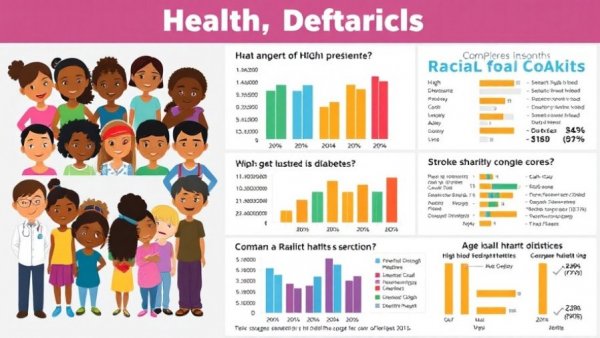
Infographic on plant-based diet and racial health disparities with diverse figures and charts.

Understanding Health Disparities in America

The alarming reality that Black Americans suffer from higher rates of illness and face significantly shorter life expectancies than their white counterparts has been thrust into the limelight, especially in the wake of the COVID-19 pandemic. Data revealed that during this health crisis, the death rate among African Americans was as much as six times higher than that of white Americans, highlighting longstanding inequalities. This mortality gap isn't just a post-pandemic phenomenon; the roots trace back decades, exacerbated by factors such as socioeconomic status, lifestyle choices, and systemic health care disparities.

The Impact of Socioeconomic Factors

Socioeconomic status is critical to understanding these health disparities. In the U.S., race is closely linked to class, with a disproportionate number of African Americans experiencing poverty compared to their white counterparts. Studies have shown that African Americans are about twice as likely to be living below the poverty line. Furthermore, education levels are often lower as well. Alarmingly, even those African Americans with comparable education and income levels to whites still often report poorer health outcomes. This suggests that factors beyond income and education, such as systemic racism, employment opportunities, and healthcare access, also play significant roles.

Holistic Health and Nutrition's Role

Nutrition is a vital component in addressing these disparities. Research indicates that a plant-based diet can significantly improve health outcomes. For instance, studies show that individuals adhering to strict plant-based diets have a 57% lower incidence of diabetes compared to non-vegans. Among Black vegans, this figure is even more impressive at 70% lower odds of developing diabetes. This correlation illustrates the urgent need for improved access to nutritious foods in Black communities, which are often afflicted by economic constraints and limited food choices.

Examining Food Access and Dietary Choices

The stark contrast between food availability in predominantly Black neighborhoods versus white neighborhoods plays a significant role in dietary choices and health outcomes. Black neighborhoods are notably underserved in terms of supermarkets, which offer fresh fruits and vegetables. Research indicates that areas predominantly occupied by Black residents have four times fewer supermarkets compared to their white counterparts. Conversely, they are often saturated with fast food establishments. In fact, data shows that these areas have 60% more fast-food restaurants per square mile. Coupled with aggressive marketing campaigns promoting unhealthy foods targeted toward Black consumers, this access disparity is a leading factor in the consumption of low-nutrient junk food.

The Role of Lifestyle Factors

Further complicating the issue are lifestyle behaviors impacting health. Less than 5% of African American adults meet standard physical activity recommendations, which contributes to obesity and related health conditions. The physical inactivity combined with longstanding tobacco use continues to be a concern, with greater exposure to second-hand smoke. Statistics show that African American adults are more likely to use mentholated cigarettes, which are especially marketed within these communities, further complicating smoking cessation efforts. These factors compound the effects of poor diet, leading to high rates of hypertension, cardiovascular disease, and other health issues prevalent in the Black community.

Benefits of Plant-Based Diets for Racial Health Equity

Transitioning to a plant-based diet holds transformative potential for improving health outcomes among Black Americans. Not only can it combat chronic diseases like diabetes and heart disease, but it also has possibilities to level the playing field regarding health disparities. Empirical evidence supports the idea that embracing a diet rich in fruits, vegetables, whole grains, and legumes may indeed lead to better health outcomes. In fact, a plant-based diet can help mitigate some of the comorbidity concerns that heavily affect Black communities, such as hypertension and obesity.

Moreover, adopting a plant-based diet can serve as a powerful means of enhancing overall well-being, mental health, and energy levels. Studies indicate that individuals following plant-based diets often report better moods, improved mental clarity, and lower levels of anxiety and depression. Recognizing these psychological benefits is crucial in a community that faces multiple stressors. Therefore, establishing community initiatives aimed at making plant-based foods more accessible could serve as an effective strategy for reducing these disparities. Community gardens, farmers' markets, and health workshops can play vital roles in fostering nutritional education and access.

Taking Action Towards Healthier Futures

As we navigate these challenging disparities in health, individuals can advocate for change through local community efforts, emphasizing greater access to nutritious food options and health education. This can evolve from supplying affordable plant-based food resources to implementing educational programs focused on nutritional literacy. By encouraging initiatives that create partnerships between schools, community organizations, and local health departments, it’s possible to foster an environment that promotes healthier eating habits.

Each step in this direction contributes to a more equitable health landscape for the Black community. It’s imperative to engage community members—encouraging them to share their experiences with food and health, creating a dialogue that can lead to action. As advocates for holistic health and nutrition, we can not only improve individual lives but also foster community resilience against systemic health inequities.

In conclusion, as we prioritize a diet rich in plant-based nutrients, we take meaningful steps toward addressing and closing the racial health gap. Plant-based eating goes beyond just health; it cultivates a sense of community and shared responsibility. Together, if we can encourage healthier dietary habits and push for systemic changes in food accessibility, significant progress can be made in creating a healthier, more equitable future for all.


nutrition

1 Views

0 Comments

Write A Comment

*
*
Please complete the captcha to submit your comment.
Related Posts All Posts
11.17.2026

Is Bone Density Linked to Diet? A Deep Dive into Nutrition and Body Size

Update Understanding Osteoporosis: A Global Health Concern Osteoporosis is a condition affecting around 200 million people globally, signifying what is colloquially referred to as porous bones. This debilitating disease is characterized by excessive loss of bone density and impaired formation of bone, which creates a substantial vulnerability to fractures. Such fractures significantly contribute to morbidity in older populations, emphasizing the serious health challenges osteoporosis presents. A robust understanding of the relationships between diet, body size, and bone health is paramount for effective prevention and treatment strategies. Diet's Impact on Bone Health: Examination of Plant-Based vs. Animal-Based Research indicates that a plant-based diet might contribute positively to bone mineral density (BMD). Various micronutrients and phytochemicals found in plants serve as powerful promoters of bone health, underscoring the importance of incorporating them into a balanced diet. Nutritional professionals recommend that mid-lifers specifically enhance their intake of plant foods regardless of existing dietary patterns. However, an ongoing debate surrounds the relationship between everyday dietary habits and the issue of bone fragility, particularly when contrasting plant-based diets with those rich in animal-derived products. Revisiting Historical Studies: Key Miscalculations The conversation on diet and bone density is not a modern construct. A significant study conducted nearly half a century ago suggested that vegetarians demonstrated denser bones than they omnivorous counterparts. However, this conclusion was later found to be flawed due to outdated and inaccurate measurement techniques that failed to accurately reflect bone health. Today’s advancements, particularly in DEXA scanning, have provided far more reliable assessments of BMD, prompting a complete reevaluation of the original findings. The common misconception that vegetarianism might directly lead to osteoporosis has been largely debunked, bringing clarity and a renewed focus on the complexities involved. The Role of Body Weight in Bone Density Exploring how body size affects bone health is crucial for fostering understanding in this area. Research indicates that individuals with higher body weight often enjoy denser bones, an effect attributed to the weight-bearing nature of their daily activities. In fact, studies reveal that obesity fosters stronger bones, as the additional weight functions as a natural form of resistance training for the skeletal system. Given that vegetarians and especially vegans typically have lower rates of obesity, it is no wonder that, on average, they would show lower bone density metrics. This insight has led researchers to call for a nuanced understanding of how body composition interacts with dietary patterns, urging a reconsideration of simplistic associations between vegetarianism and bone health. Modern Research Findings: Vegetarian and Vegan Diets Contrary to earlier beliefs, recent meta-analyses involving tens of thousands of participants have illustrated that while vegetarian and vegan diets might correlate with lower bone mineral density compared to their meat-eating counterparts, these differences are clinically insignificant. This means that adopting a vegetarian lifestyle is not inherently detrimental to bone health when comprised of a well-thought-out diet. The crucial takeaway here rests on the need for adequate nutrition, including essential vitamins and minerals such as vitamin D and calcium, to mitigate any potential risks associated with these dietary choices. Strategies for a Balanced Nutritional Approach To support both bone health and overall well-being, a well-rounded and balanced diet becomes essential. It should include sources that are rich in calcium, such as leafy greens or fortified plant milk, bolstered by vitamin D sources including adequate sun exposure and fortified foods. Furthermore, integrating weight-bearing exercises into one’s routine can naturally promote stronger bone density. Incorporating a diverse range of dietary components not only aids in bone health but also enhances emotional well-being, advocating for a holistic approach to health that could impact various aspects of life. Practical Tips for a Healthy Lifestyle Journey For individuals navigating their wellness journey, integrating healthy lifestyle habits can be transformative. Relying on a diverse range of nutrients from various food groups is essential, as is understanding the nutritional content of what one eats. For instance, exploring the nutrition information of popular dining options like chipotle can illuminate better choices when out. Being mindful of the nutrition content found in everyday foods, such as avocados, eggs, bananas, and nutritional yeast, can enhance one’s diet with pivotal vitamins and minerals. This holistic approach does not target just bone health but fosters resilience, both psychologically and physically, enriching one’s lifestyle. Understanding the Broader Factors Affecting Bone Health Beyond diet and exercise, various other factors contribute to bone health. Genetics, for instance, play a crucial role in determining an individual’s predisposition to osteoporosis; family history cannot be overlooked. Hormonal changes, particularly in women post-menopause, can lead to accelerated bone loss. Additionally, lifestyle factors such as smoking and alcohol consumption can significantly impact bone health and resilience. Recognizing these intersecting elements is vital for implementing preventive measures tailored to one’s unique situation. Conclusion: The Path Forward for Bone Health Ultimately, the relationship between diet and bone density remains multifaceted and complex, necessitating ongoing research and education. While vegetarian and vegan diets provide undeniable health advantages, individuals must ensure nutrient adequacy to foster bone health. By actively engaging in weight-bearing exercises, consuming a well-rounded diet, and informing themselves about nutrition, individuals can empower their holistic health journeys. Take the first steps toward enriching your wellness pathway today—because a focus on nutrition and lifestyle choices can lead to long-term benefits for bone health and overall vitality.

11.13.2026

Do Meat-Eaters Face Greater Risks of Antibiotic Resistance Genes in Their Guts?

Update The Concern of Antibiotic Resistance in Food Every year, nearly a million children in the United States become infected with Salmonella and Campylobacter, pathogens that can lead to severe outcomes like meningitis and even death. A growing concern in the medical and nutritional community is the increasing problem of antibiotic resistance among these microorganisms, which threatens our ability to effectively treat these infections. One of the culprits behind this rising resistance is the widespread use of antibiotics in animal farming, often employed for growth promotion in crowded and unsanitary conditions. This practice not only endangers human health but also leads to the development of antibiotic-resistant bacteria that can spread through the food chain. Farm Animals: A Reservoir of Resistance Farm animals, as a reservoir for antibiotic resistance genes, pose a significant risk. Research confirms that the genes conferring resistance can be transmitted to humans, particularly through the food supply. A striking study demonstrated that antibiotic-resistance plasmids from E. coli originating in chickens could transfer to human gut bacteria within just two hours. This rapid transfer illustrates an alarming scenario where the very food we consume could be a vector for antibiotic resistance. Beyond the alarming speed of this transmission, it raises questions about the adequacy of current food safety measures. Consumers may unknowingly ingest antibiotic-resistant bacteria when consuming meat, eggs, and dairy products. As the prevalence of antibiotic-resistant strains increases, so does the urgency for public health interventions. How Diet Impacts Gut Health In a meticulously designed study, researchers compared the levels of antibiotic-resistance genes in the gut bacteria of vegans, vegetarians, and omnivores. The findings revealed that vegans had significantly lower loads of antibiotic-resistance genes compared to both omnivores and vegetarians. Despite the common belief that meat is a major contributor to this health issue, the study highlighted that even vegetarians were not exempt from carrying higher loads of resistant bacteria. The resistance genes found in vegetarian participants suggest a complex relationship between our diets and gut microbiota. For example, the practice of using manure from treated animals as fertilizer on crop fields can indeed lead to antibiotic-resistant bacteria contaminating fruits and vegetables, creating a pathway for these harmful genes to enter human systems. This indicates that not only one’s meat consumption but also the food production methods play a crucial role in the presence of antibiotic resistance. The Nutrition Value of Plant-Based Diets Interestingly, not only do vegans show a reduced load of antibiotic-resistant genes, but they also benefit from nutritional advantages that can enhance overall well-being. The nutrition content of foods like avocados and bananas provides essential vitamins and minerals that promote both physical and emotional health. For instance, avocados are rich in healthy fats and nutrients crucial for holistic health, while bananas offer a quick source of energy with their natural sugars and potassium. Additionally, plant-based diets often include awide variety of fruits, vegetables, whole grains, and legumes that are packed with antioxidants and fiber. These nutrients support a healthy microbiome and improve digestive health, further contributing to resistance against illnesses. This evidence supports the idea that adhering to a plant-based diet may help mitigate the risk of antibiotic resistance while providing substantial nutritional benefits. As awareness grows around these issues, more individuals are considering plant-based diets not only for ethical reasons but also for their health advantages. Ongoing Research and Future Perspectives Current research underscores the necessity of reevaluating our farming practices and dietary habits to combat antibiotic resistance. Experts encourage a shift towards reducing meat consumption, particularly in contexts where antibiotic use is rampant in animal agriculture. As studies continue to emerge demonstrating the impact of diet on gut health, consumers are empowered to make informed choices that promote a healthy lifestyle and safeguard their well-being. Moreover, researchers are examining how legislation can promote better agricultural practices. Feedback from consumers could ultimately influence these policies, encouraging a demand for antibiotic-free meat and fostering more sustainable farming methods that protect both public health and the environment. Take Action for Your Gut Health With the pressing issue of antibiotic resistance on the rise, it's essential for consumers to advocate for more responsible farming practices and consider dietary adjustments that can positively affect gut microbiota. By choosing to incorporate more plant-based foods into your diet, not only do you contribute to a healthier you, but you also help reduce the overall demand for antibiotics in animal farming. Exploring local nutrition resources and embracing holistic health practices can set you on a wellness journey that prioritizes both individual health and public safety. Community organizations, workshops, and health fairs often feature information on nutrition and can be valuable resources for anyone looking to make these lifestyle changes. Staying informed and making choices that benefit your gut health and the environment not only contributes to your personal well-being but also helps protect vulnerable populations that may be impacted by antibiotic-resistant infections. Together, through informed consumer choices and advocacy for healthier agricultural practices, we can work to create a safer, healthier food system for everyone.

11.11.2026

Discover How Allulose Can Transform Your Approach to Sugar Intake

Update Are Rare Sugars the Future of Sweetening? In recent years, rare sugars have garnered attention as potential healthier alternatives to traditional sweeteners. Allulose, a low-calorie sugar, is one of these contenders that may redefine our relationship with sweetness. But what does scientific research reveal about its benefits and drawbacks? The Science Behind Allulose Allulose is produced naturally, though only in tiny amounts. It’s derived from sources including figs and certain grains, but industrial production is what makes it commercially available in a more usable form. Allulose shares similarities with erythritol, a commonly used sugar alcohol. Some studies suggest that allulose may have anti-diabetic properties, making it a promising choice for those monitoring blood sugar levels. For example, research conducted on animals indicated that allulose might decrease LDL cholesterol levels and even reduce obesity in hamsters. However, translating these findings to human biology remains complex, as human metabolic responses can differ significantly from those in animal studies. Impact on Fat Reduction In human trials, allulose displayed significant potential for fat loss. One study demonstrated that individuals supplementing their diet with allulose experienced reductions in body fat and waist circumference over a 12-week period, regardless of changes in diet or physical activity. These changes were minimal—averaging about two pounds—but they suggest that allulose could play a role in weight management strategies. The observed fat loss was mostly in subcutaneous fat rather than visceral fat, which is a critical factor in determining overall health risks. While two pounds may seem modest, weight loss can significantly benefit a person’s overall health profile, making such changes worth considering within a broader dietary and lifestyle context. Is Allulose an Effective Diabetic Aid? The benefits of allulose go beyond mere calorie reduction. Studies reveal that allulose may suppress spikes in blood sugar and insulin levels when consumed with carbohydrates—a critical consideration for people with borderline diabetes. For those managing blood glucose levels, this is especially important, as frequent spikes can lead to long-term complications. The mechanism appears to involve allulose obstructing the absorption of sugar through the intestinal wall, thereby assisting in regulating glucose levels in the bloodstream. This suppression of insulin response not only aids in blood sugar management but may also influence feelings of hunger in ways that support weight control. Comparative Calories: Allulose vs. Traditional Sugars Comparing allulose to traditional sweeteners like high-fructose corn syrup highlights another advantage. When swapped in recipes or beverages, allulose provides sweetness with minimal caloric gain, approximately 15 calories per teaspoon. This makes it appealing for those pursuing a healthier lifestyle, particularly for individuals aiming to reduce sugar intake without sacrificing flavor. The versatility of allulose also means it can be utilized in a variety of culinary applications, from baking to beverage formulation, offering a sweet taste without the detrimental effects associated with higher-calorie sugars. Exploring Holistic Approaches to Health As you navigate your wellness journey, integrating allulose into your diet offers a unique approach to managing sweetness while potentially supporting overall health goals. Understanding the nutritional value of foods, such as avocados, bananas, and nuts, can further enhance your dietary choices. For instance, avocados are known for their healthy fats, fiber, and various nutrients, while bananas provide potassium and are a natural energy source. Additionally, including nutritional yeasts can provide essential B vitamins, enriching your meals. Emphasizing a diverse diet rich in whole foods while using alternative sweeteners like allulose can lead to better overall health outcomes. Potential Challenges and Considerations While the prospect of using allulose is exciting, it’s essential to approach any dietary change with balanced consideration. Critics argue that more long-term studies are needed to ascertain its effects on human health comprehensively. Additionally, as with any sugar substitute, some individuals may experience gastrointestinal discomfort when consuming allulose in larger quantities, highlighting the importance of moderation. When incorporating new ingredients, pay attention to how your body reacts and adjust accordingly. The key takeaway is that moderation and variety are critical to a successful, healthy diet. Conclusion: The Way Forward for Sweeteners Allulose presents a compelling case as a more favorable sweetener compared to its traditional counterparts. It offers a lower-calorie option that may support weight management and potentially promote better blood sugar control. However, ongoing research and personal dietary preferences play a significant role in determining its place in your nutrition plan. As you consider how to sweeten your meals, look beyond the calorie content and reflect on how allulose fits into your broader health goals. Engaging with a healthcare professional or a registered dietitian when making dietary changes can also provide personalized insights and recommendations to ensure optimal health outcomes.

WorldPulse News

Write a small description of your business and the core features and benefits of your products.

COMPANY

  • Privacy Policy
  • Terms of Use
  • Advertise
  • Contact Us
  • Menu 5
  • Menu 6

+14089030493

AVAILABLE FROM 8AM - 5PM

City, State

, ,

ABOUT US

Write a small description of your business and the core features and benefits of your products.

© 2026 CompanyName All Rights Reserved. Address . Contact Us . Terms of Service . Privacy Policy

Terms of Service

Privacy Policy

Core Modal Title

Sorry, no results found

You Might Find These Articles Interesting

T
Please Check Your Email
We Will Be Following Up Shortly
*
*
*