


Are Rare Sugars the Future of Sweetening?
In recent years, rare sugars have garnered attention as potential healthier alternatives to traditional sweeteners. Allulose, a low-calorie sugar, is one of these contenders that may redefine our relationship with sweetness. But what does scientific research reveal about its benefits and drawbacks?
The Science Behind Allulose
Allulose is produced naturally, though only in tiny amounts. It’s derived from sources including figs and certain grains, but industrial production is what makes it commercially available in a more usable form. Allulose shares similarities with erythritol, a commonly used sugar alcohol. Some studies suggest that allulose may have anti-diabetic properties, making it a promising choice for those monitoring blood sugar levels. For example, research conducted on animals indicated that allulose might decrease LDL cholesterol levels and even reduce obesity in hamsters. However, translating these findings to human biology remains complex, as human metabolic responses can differ significantly from those in animal studies.
Impact on Fat Reduction
In human trials, allulose displayed significant potential for fat loss. One study demonstrated that individuals supplementing their diet with allulose experienced reductions in body fat and waist circumference over a 12-week period, regardless of changes in diet or physical activity. These changes were minimal—averaging about two pounds—but they suggest that allulose could play a role in weight management strategies. The observed fat loss was mostly in subcutaneous fat rather than visceral fat, which is a critical factor in determining overall health risks. While two pounds may seem modest, weight loss can significantly benefit a person’s overall health profile, making such changes worth considering within a broader dietary and lifestyle context.
Is Allulose an Effective Diabetic Aid?
The benefits of allulose go beyond mere calorie reduction. Studies reveal that allulose may suppress spikes in blood sugar and insulin levels when consumed with carbohydrates—a critical consideration for people with borderline diabetes. For those managing blood glucose levels, this is especially important, as frequent spikes can lead to long-term complications. The mechanism appears to involve allulose obstructing the absorption of sugar through the intestinal wall, thereby assisting in regulating glucose levels in the bloodstream. This suppression of insulin response not only aids in blood sugar management but may also influence feelings of hunger in ways that support weight control.
Comparative Calories: Allulose vs. Traditional Sugars
Comparing allulose to traditional sweeteners like high-fructose corn syrup highlights another advantage. When swapped in recipes or beverages, allulose provides sweetness with minimal caloric gain, approximately 15 calories per teaspoon. This makes it appealing for those pursuing a healthier lifestyle, particularly for individuals aiming to reduce sugar intake without sacrificing flavor. The versatility of allulose also means it can be utilized in a variety of culinary applications, from baking to beverage formulation, offering a sweet taste without the detrimental effects associated with higher-calorie sugars.
Exploring Holistic Approaches to Health
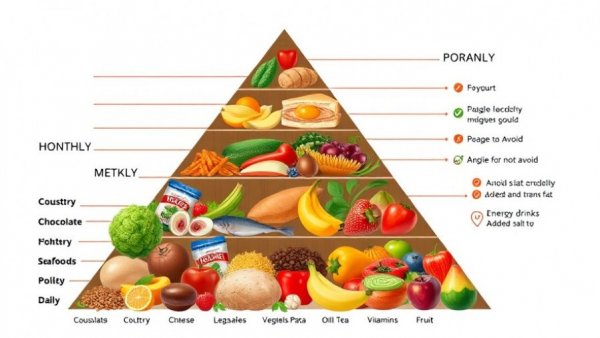
As you navigate your wellness journey, integrating allulose into your diet offers a unique approach to managing sweetness while potentially supporting overall health goals. Understanding the nutritional value of foods, such as avocados, bananas, and nuts, can further enhance your dietary choices. For instance, avocados are known for their healthy fats, fiber, and various nutrients, while bananas provide potassium and are a natural energy source. Additionally, including nutritional yeasts can provide essential B vitamins, enriching your meals. Emphasizing a diverse diet rich in whole foods while using alternative sweeteners like allulose can lead to better overall health outcomes.
Potential Challenges and Considerations
While the prospect of using allulose is exciting, it’s essential to approach any dietary change with balanced consideration. Critics argue that more long-term studies are needed to ascertain its effects on human health comprehensively. Additionally, as with any sugar substitute, some individuals may experience gastrointestinal discomfort when consuming allulose in larger quantities, highlighting the importance of moderation. When incorporating new ingredients, pay attention to how your body reacts and adjust accordingly. The key takeaway is that moderation and variety are critical to a successful, healthy diet.
Conclusion: The Way Forward for Sweeteners
Allulose presents a compelling case as a more favorable sweetener compared to its traditional counterparts. It offers a lower-calorie option that may support weight management and potentially promote better blood sugar control. However, ongoing research and personal dietary preferences play a significant role in determining its place in your nutrition plan. As you consider how to sweeten your meals, look beyond the calorie content and reflect on how allulose fits into your broader health goals. Engaging with a healthcare professional or a registered dietitian when making dietary changes can also provide personalized insights and recommendations to ensure optimal health outcomes.




Write A Comment