

Understanding the Synergy Between Fasting and Chemotherapy
For decades, chemotherapy has been a cornerstone in the battle against cancer, targeting rapidly dividing cells using potent drugs. These treatments, while often necessary, can also unleash a torrent of side effects, impacting the quality of life for patients undergoing such grueling regimes. A promising avenue to mitigate these issues lies in the often-overlooked practice of short-term fasting. Recent research suggests that not only might fasting minimize the adverse effects of chemotherapy, but it could also enhance the treatment's overall efficacy.
How Does Fasting Work in Cancer Therapy?
When patients undergo chemotherapy, the aim is to inflict maximum damage on cancerous cells. However, healthy cells also suffer extensive collateral damage leading to a myriad of side effects like nausea, fatigue, and immune system suppression. This is where fasting might come into play. During periods of nutrient deprivation, healthy cells enter a protective mode, focusing on maintenance and repair, while cancer cells struggle to adapt and continue their unchecked growth. In essence, fasting exploits a unique vulnerability in cancer cells by enhancing the effectiveness of chemotherapy while shielding healthy tissues.
The Scientific Evidence: Laboratory Findings
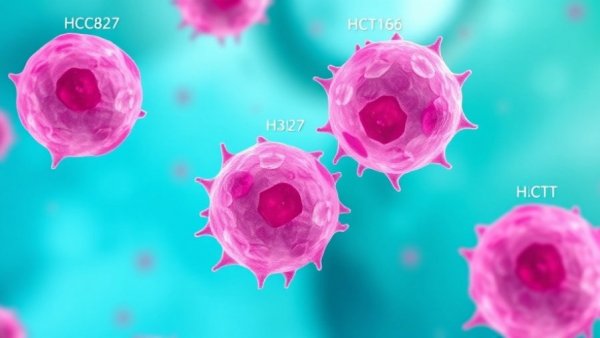
Notably, laboratory studies have revealed fascinating results. When cancer cells were subjected to short-term fasting before receiving treatment with tyrosine kinase inhibitors (TKIs), researchers noted a significant decrease in the number of surviving cancer cells. This suggests that fasting not only primes healthy cells for resilience but also increases the susceptibility of cancer cells to chemotherapy. In a controlled study, treating breast cancer cells with fasting followed by doxorubicin marked a significant restriction in their growth, promising a dual benefit of enhanced treatment efficacy and reduced toxicity. The preliminary findings point towards an exciting potential in combining dietary strategies with established medical treatments.
Animal Studies: Reinforcing the Fasting-Chemotherapy Hypothesis
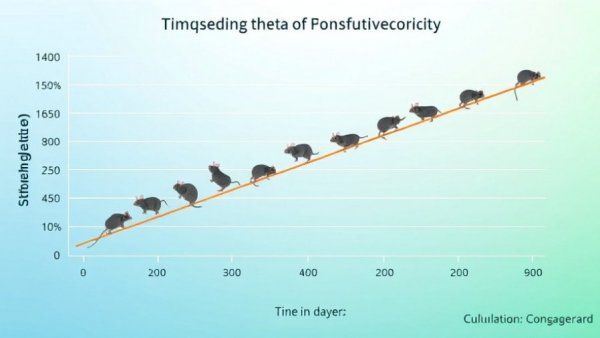
Transitioning from petri dishes to real-world scenarios, researchers conducted tests on mice with similar promising outcomes. Their observations showed that mice undergoing a fasting protocol experienced reduced chemotherapy-related toxicity without sacrificing the treatment’s effectiveness. The implications are profound: with fasting, it is possible to mitigate the harsh effects of chemotherapy drugs, enabling patients to endure treatments more comfortably. This approach could denote a breakthrough for cancer therapies where drug toxicity is a paramount concern. It suggests that fasting not only enhances the efficacy of existing treatments but does so in a manner that can improve patient quality of life.
Paving the Way for Future Research
The findings emerging from recent studies underpin the potential of fasting as a supplementary strategy in cancer treatment. Researchers have begun to understand how fasting can coexist with traditional therapies. These early explorations open up exciting avenues for further research. While significant advances have been made, rigorous clinical trials involving human subjects are essential for validating these effects. Continued exploration of how fasting interacts with cancer treatment protocols could lead to new holistic approaches in cancer care. With greater insights, we may find integrated treatment plans that combine dietary adjustments with chemotherapy protocols, one that allows patients to harness the collective impact of nutrition and medical intervention.
Practical Insights for Patients
As we delve into the realms of holistic health, those navigating a wellness journey amidst cancer treatment might consider discussing fasting with their healthcare providers as part of their regimen. It’s important to approach this option cautiously and with guidance. While fasting may enhance the efficacy of treatment and reduce side effects, it is vital to personalize advice according to individual health needs and medical history. For instance, certain patients may need to maintain their caloric intake due to other health conditions or treatments. Adopting a balanced approach with proper nutrition—including nutrient-dense foods like avocados, leafy greens, and nutritional yeast—can support overall health and emotional well-being during this challenging time. Integrating small fasting intervals may prove manageable and beneficial, depending on individual circumstances.
Conclusion: Taking Action for Health
While research into fasting and chemotherapy is still in its infancy, the early results are compelling. They invite patients and practitioners alike to explore the potential benefits of integrating fasting into their treatment plans. Fasting may not just be a simple dietary choice; it represents a strategic tool that can potentially shift the dynamics of cancer treatment for the better. As we continue to uncover the intricate connections between our dietary choices and health outcomes, informed decisions about nutrition can empower patients on their cancer journey. If you're ready to embark on a holistic path to health, engage with your healthcare team about how fasting practices could play a role in your treatment strategy. The intersection of nutrition and medical care is an evolving landscape, and patients should feel encouraged to stay informed and proactive about their health choices.



Write A Comment