

cropper
Health N Wellness
  • Home
  • Categories
    • health
    • wellness
    • lifestyle
    • nutrition
    • mindfulness
    • self
November 04.2026
4 Minutes Read

Unlocking the Secret to Healthy Aging with a Simple Protein Swap

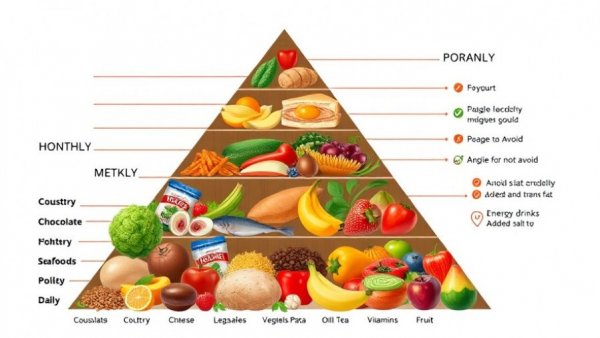
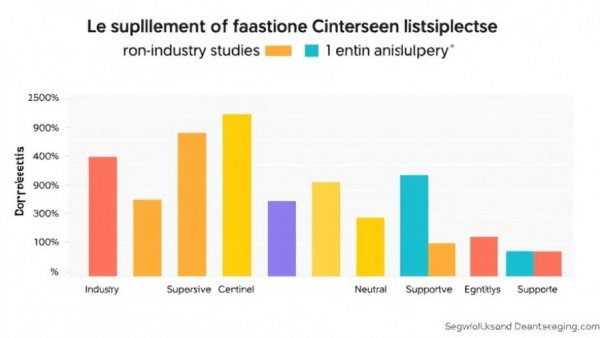
Informative chart on healthy aging with protein swap, life expectancy differences based on risk levels.

The Power of a Simple Protein Swap for Healthy Aging

In today's world, the significance of our dietary choices has never been more crucial, especially when it comes to healthy aging. A recent study analyzing over 400,000 individuals has revealed that swapping just 1% of animal protein in your diet for plant protein can lead to significant health benefits over time. Participants in the study who replaced 3% of their calories from animal protein with plant protein experienced a remarkable 10% reduction in overall mortality risk. This simple dietary change could potentially add an extra year to your life—a compelling argument for reevaluating what’s on your plate.

Understanding Healthy Aging

Healthy aging is about maintaining functional abilities that promote wellbeing as we grow older. It’s not merely about the number of years we accumulate but the quality of life we experience during those years. By shifting towards a diet rich in plant proteins, individuals may not only enjoy longevity but also a more vibrant life, free from chronic diseases that often accompany aging.

What’s the Secret Behind Plant Protein?

While most people associate animal protein with strength and nutrient density, the recent data suggests that the source of that protein may play a critical role in how we age. Interestingly, egg protein—mostly found in egg whites—was identified as particularly detrimental, with replacing a modest 3% of calories from egg protein with plant protein correlating with over a 20% decrease in overall mortality rates. This finding rivals the benefits seen from substituting red meat with plant protein.

Debunking the Saturated Fat Myth

It’s a common belief that the negative health impacts linked to animal proteins are solely due to saturated fats. However, the research suggests there's much more at play. Even after accounting for fat intake, the type of protein consumed—animal or plant—demonstrated differing health effects. This indicates that plant proteins offer unique benefits that go beyond simply replacing saturated fats.

Beyond Diet: The Societal Perspective

A whole food, plant-based (WFPB) diet is sometimes confused with a vegan diet, yet they are not synonymous. The former emphasizes nutritional density and can significantly enhance overall health, including skin integrity, which many of us desire as we age. Studies indicate that a WFPB diet might have protective effects against chronic diseases, making it an appealing nutritional strategy for those pursuing longevity.

Lessons from the Blue Zones

Those interested in longevity may look to the Adventist vegetarians in Loma Linda, California, touted for having one of the longest life expectancies globally. These vegetarians average around 83 to 86 years in longevity, largely attributable to a balanced lifestyle that includes a vegetarian diet, regular physical activity, and non-smoking habits. Such a combination has demonstrated the potential to extend life by 9 to 11 years, highlighting the impact of lifestyle on health.

Quality of Life: The Key Metric

While longevity is essential, the emphasis on good-quality life is paramount. Interestingly, studies find that vegetarian Adventists tend to use fewer medications and have lower rates of hospital visits, surgeries, and chronic disease incidence. This suggests that the health benefits of a plant-based diet extend far beyond just lifespan, enhancing the quality of the years we have.

Combatting Cognitive Decline

Among the most distressing aspects of aging is the looming threat of Alzheimer’s disease and dementia. With these conditions on the rise, the proactive steps we take today can shape our future health status. A diet rich in antioxidants, which is abundant in plant foods, may offer some defense against cognitive decline. Incorporating more plant proteins could provide both immediate benefits and long-term protection against these forms of cognitive impairment.

Implementing Healthy Changes: Practical Tips

Transitioning towards a more plant-based diet doesn’t have to be daunting. Start small! Consider integrating nutritional staples such as avocados, chickpeas, and lentils into your meals. Exploring options such as nutritional yeast can not only diversify your diet but also enhance flavor without unnecessary calories. Using resources like Chipotle nutrition information when dining out can help you make more informed choices.

In summary, swapping some animal protein for plant protein is a simple yet powerful strategy for promoting healthy aging. The evidence supporting this nutritional shift is compelling, merging well-being with longevity. Take one small step today and be on your way to a healthier future.

Final Thoughts: Your Wellness Journey Awaits

As you consider these insights about the nutritional power of plant proteins, remember that embarking on a wellness journey is about incremental, thoughtful changes to your lifestyle. With each small adjustment, you can positively impact not only your lifespan but the quality of your years. Embrace the delicious world of plant-based nutrition and give your body the gift of healthier living!
nutrition

0 Views

0 Comments

Write A Comment

*
*
Please complete the captcha to submit your comment.
Related Posts All Posts
10.29.2026

Discover Foods That Reduce Your Risk of Atrial Fibrillation

Update Understanding Atrial Fibrillation and Its Risk Factors Atrial fibrillation, or Afib, is the most prevalent abnormal heart rhythm affecting millions of people globally. It poses a significant public health challenge due to its contribution to severe conditions like stroke, heart attacks, and heart failure. Foremost in reducing the risk of Afib is the diet one follows. Studies show that certain eating patterns can either mitigate or exacerbate the risk of developing this arrhythmia, making nutrition a critical focus area for those concerned about heart health. Plant-Based Diets: A Strong Defense Against Afib Adopting a plant-based diet rich in whole grains, legumes, vegetables, fruits, and nuts is beneficial not only for the heart but also in preventing conditions associated with Afib. Such diets emphasize anti-inflammatory foods that can improve overall cardiovascular health. For instance, diets high in potassium can help manage blood pressure, a significant contributor to Afib cases. Foods like bananas, avocados, and leafy greens are excellent sources of potassium and can play a pivotal role in maintaining arterial function. Moreover, embracing a plant-based approach fosters better overall nutrition, reducing the intake of harmful saturated fats found in many animal products. This change can lead to improved heart health metrics, including lower cholesterol and triglyceride levels, which are closely tied to cardiac function. The Perils of Low-Carbohydrate Diets Research suggests that low-carbohydrate diets may increase the risk of Afib. This increase is attributed to the lack of anti-inflammatory foods accompanying these diets, leading to higher oxidative stress levels. Additionally, individuals on low-carb diets tend to consume increased protein and fat, which can heighten cardiovascular risks, setting the stage for the onset of Afib. Notably, low-carb eating patterns can contribute to a deficiency of vital nutrients, leading to further health complications. Furthermore, low-carbohydrate diets may not only raise Afib risk but also correlate with an increased incidence of other cardiovascular diseases. Maintaining a balanced and varied diet is crucial, as low-carb diets can deprive the body of essential vitamins and minerals that protect heart health. Proven Dietary Recommendations for Heart Health Heart rhythm disorders require a dietary approach that is nearly opposite to low-carb eating. Recommendations include daily consumption of fruits, vegetables, and whole grains while moderating the intake of animal products. It's essential to recognize that while seafood is beneficial in moderation, certain types of fish, such as dark fish like salmon and swordfish, might be linked to increased Afib risk when consumed excessively. This means being mindful about your seafood choices while ensuring you still incorporate omega-3 fatty acids from safer sources, such as flaxseeds or walnuts, as they can help maintain heart health. Beverage Choices: The Impact of Alcohol Alcohol consumption has been associated with a significant rise in Afib risk. Research indicates that even a single drink daily can elevate this risk by approximately 8%. Interestingly, caffeine in moderation does not seem to have the same negative impact. As you focus on a holistic health and wellness journey, consider limiting alcohol to reduce your risk factors associated with Afib. For many, reducing alcohol intake can also lead to better sleep and improved mental health. Engaging in activities and hobbies that don’t center around drinking can enhance your social life while positively impacting your heart health. Caloric Intake and Weight Management Moreover, weight management plays a crucial role in heart health. Excess body fat accounts for a considerable percentage of Afib cases, and significant weight loss can dramatically increase freedom from this arrhythmia. Focusing on nutrition value, such as the nutrition content of avocado or bananas, can lead to healthier caloric intake while enhancing emotional well-being. A meal plan rich in nutritious, low-calorie foods fosters not just heart health but overall wellness, making it easier to shed extra pounds and maintain a healthy weight. Consider consulting with a healthcare provider or nutritionist to set achievable weight management goals that align with your health needs. Small, gradual changes can lead to lasting benefits, such as increased energy levels and improved mood. Practical Steps: Implementing Dietary Changes To initiate healthier eating habits, you can start by gradually incorporating more whole, plant-based foods into your diet. Begin by adding an extra serving of vegetables to your lunch or replacing snacks with nuts and fruits. Consider using nutrition information from local sources to find foods that align with your wellness journey. Focus on the nutritional facts for foods you love—like the calories in a banana or the nutrition information of eggs—to make informed choices that benefit your heart. Remember that preparation is key. Preparing meals in advance can help you stick to heart-healthy options when hunger strikes, reducing the temptation to indulge in less nutritious choices. Emotional Well-Being Through Nutrition The impact of food on emotional health is undeniable. Healthy lifestyle tips around nutrition can not only help improve your physical well-being but also enhance emotional stability. Eating a balanced diet rich in nutrients boosts mood and overall mental health, providing a holistic approach to well-being. Foods rich in omega-3s, such as flaxseeds and walnuts, have been known to contribute to brain health and emotional regulation. Moreover, the process of cooking and sharing meals opens opportunities for connection and community, which can significantly enhance emotional health. The social aspect of eating can reduce feelings of isolation and promote a sense of belonging, crucial for mental wellness. Conclusion: Your Path to Heart Health Being proactive about what you eat is crucial in reducing the risk of atrial fibrillation. By understanding the importance of diet and embracing nutritious options, you can greatly enhance your heart health. It’s important to remember that your journey to wellness is not just about avoiding certain foods but rather embracing a lifestyle that supports your cardiovascular health. Take the time to research and experiment with new recipes that incorporate heart-healthy ingredients, and celebrate the small victories as you progress on your wellness journey.

10.27.2026

Understanding whether Supplements Are the New Snake Oil: An Eye-Opener for Your Wellness Journey

Update Are Supplements Just Modern-Day Snake Oil? In an age where wellness fads proliferate, the dietary supplement industry stands at the forefront, promising miraculous benefits with every capsule. However, the reality behind many of these products often lacks transparency and accountability. Recent studies reveal that supplements may not contain what they claim, and in worse cases, can even be harmful. With over 85,000 dietary supplement products available in the U.S. alone, the risk of unlisted ingredients and contaminants increases significantly. Understanding the Industry’s Spin Game Research shows an alarming trend within the supplement industry, where nearly 100% of press releases exhibit 'spin,' which effectively distorts clinical study outcomes. This 'spin' can amplify enthusiasm for supplements even when studies suggest no benefit or worse, potential harm. It raises a crucial question: how much trust should consumers place in these purported health enhancers? These findings do not only highlight a disconnect but also speak to the fundamental need for skepticism among consumers. The supplement industry, often quick to jump on the latest health trend, has made it easier for misleading claims to gain traction in public discourse. Given this environment, consumers must be vigilant about discerning fact from fiction. Consumer Perception Versus Clinical Reality Many supplement users indicated they would be minimally swayed by independent studies that contradict the claims made by manufacturers. Only a quarter of users expressed they would cease use if health authorities deemed a supplement a waste of money. This mentality mirrors the era of the notorious Clark Stanley, known as the “Rattlesnake King.” His 1916 scandal revealed his snake oil was far from the miracle cure touted. Today, consumers might find themselves in a similar quagmire of false claims. The resilience of these beliefs could stem from a combination of marketing strategies and the emotional attachment many have to their wellness routines. For many, supplements symbolize hope and an easy fix to complex health issues, thus complicating the already challenging landscape of informed decision-making. Regulatory Challenges: Are Consumers Truly Protected? The FDA has regulations in place to protect consumers, yet the enforcement is tragically underwhelming because of the overwhelming number of products on the market. A lack of routine oversight creates a particularly concerning environment where unsafe and ineffective products can thrive. The suggestion that dietary supplements are subject to thorough checking is misleading; their safety is often unverified, contributing to approximately 23,000 emergency room visits each year due to adverse effects. Despite these alarming statistics, there is a gap in public awareness regarding the safety and efficacy of supplements. Consumers must advocate for better labeling practices and more rigorous testing, as the current state does not provide them with adequate information to make informed choices. A Lesson from History: What's Different Today? Historically, the snake oil salesman represented deception in health. Today, while the methods of marketing supplements have evolved, the core issue remains: consumers are often sold an under-regulated product with unverified promises. Unlike prescription medications, which undergo extensive testing, the path for supplements to market remains riddled with loopholes. Thus, it’s crucial for consumers to be informed and cautious about the products they choose, aligning their purchases with scientific consensus rather than marketing hype. The evolution of the supplement market also reflects broader societal trends, from the rise of alternative health remedies to increasing consumer dissatisfaction with conventional medicine. Understanding these trends can help consumers make educated decisions rooted in both history and contemporary evidence. What You Need to Know for a Healthier Wellness Journey Understanding nutritional value and making informed decisions plays a pivotal role in your fitness and nutrition journey. As you strive for a holistic health approach, consider focusing on whole foods rich in essential nutrients such as avocados, bananas, and eggs. For instance, knowing the bad nutrition facts triumphed by promising supplements can redirect your focus towards healthier lifestyle choices that genuinely support emotional well-being. Incorporating a variety of fruits and vegetables into your diet can provide the vitamins and minerals your body needs without the uncertainties that come with supplements. Being proactive about your dietary choices is a significant step toward achieving better health outcomes. Is Healthy Living Possible Without Supplements? A valid concern among many consumers is whether a balanced diet can fulfill all nutritional needs. While supplements can play a supportive role, they should never be a replacement for a healthy diet rich in fruits, vegetables, and whole grains. Industry studies show that optimal nutrition, attention to calories, and mindful consumption of foods such as avocados can cater to nutritional gaps without the need for sketchy supplements. This holistic approach promotes wellness from within. Additionally, understanding how certain foods affect your body's health can lead to intelligent and effective dietary choices. Emphasizing a balanced and varied diet can equip consumers with the necessary tools to enhance their well-being naturally. Conclusion: Take Charge of Your Health Choices The supplement industry is not without its challenges; consumers need to navigate their claims with caution. Instead of relying on potentially ineffective and even harmful products, consider a more natural route that emphasizes nutritious foods aligned with your wellness goals, all while keeping informed about nutrition information and product efficacy. Remember, your health journey is in your hands, and prioritizing thoughtful decision-making will cultivate better outcomes in your holistic health. Ultimately, making educated choices about nutrition, rather than succumbing to marketing tactics, can significantly enhance your health journey. Empowering yourself with accurate information and a critical mindset is essential in today’s crowded marketplace.

10.23.2026

Discover Foods That Eradicate H. Pylori and Support Your Wellness Journey

Update Understanding H. Pylori: The Hidden Stomach Invader In the realm of gastrointestinal health, H. pylori emerges as a formidable foe. A gram-negative bacterium, H. pylori is notorious for its role in gastric inflammation and ulcer formation, and its link to stomach cancer is increasingly concerning. Understanding how diet can influence this bacterium's effects could offer new strategies for treatment and prevention. Especially as research continues to evolve, we are discovering that the right foods may not only manage but potentially eradicate this pest. The Role of Diet in H. Pylori Management Diet plays a crucial role in both fostering and combating H. pylori infections. Processed and salted meats that produce harmful compounds like N-nitroso can exacerbate the dangers associated with H. pylori. For instance, a study out of China highlighted that genetically susceptible individuals consuming excessive pork were at heightened risk for stomach cancer when paired with an H. pylori infection. This evidence showcases how dietary choices can either enhance or mitigate health risks linked to this bacterium. It is essential to consider that diet not only affects the overall risk of infection but also influences inflammation and healing within the stomach lining. Foods rich in antioxidants and anti-inflammatory properties can help fortify the stomach against the harms inflicted by H. pylori. Cruciferous Vegetables: Nature's Antibiotics Among the most promising dietary weapons against H. pylori are cruciferous vegetables, particularly broccoli sprouts. Rich in sulforaphane, these sprouts display remarkable antimicrobial properties. Researchers from Johns Hopkins University tested broccoli sprouts, observing that they not only helped kill antibiotic-resistant strains of H. pylori in laboratory settings, but also improved the health outcomes for patients consuming them. In fact, about 56% of those incorporating broccoli sprouts into their diet managed to eradicate the infection, suggesting a powerful natural remedy for those unable to comply with conventional antibiotic treatments. Broccoli sprouts can be easily incorporated into various meals, whether tossed into salads, added to smoothies, or used as a topping on sandwiches. This versatility allows individuals to enjoy their health benefits without altering significantly how they eat. The active compounds in broccoli sprouts might also contribute to reducing overall systemic inflammation, making them a staple for those focusing on holistic health. Garlic and Allium Vegetables: A Defense Against Stomach Cancer The potential of garlic and other allium vegetables cannot be overlooked in the conversation about H. pylori and stomach health. Observational studies spanning decades, particularly among Japanese migrants, have repeatedly indicated that a higher intake of these aromatic vegetables correlates with a significantly lower risk of stomach cancer. Despite some limitations due to publication bias, the weight of evidence suggests that incorporating garlic into one’s diet can be beneficial for gastric health, especially for those at risk from H. pylori. Consuming garlic, whether raw or cooked, can bring substantial benefits beyond just H. pylori protection. It also has potential immune-boosting properties and may even improve cardiovascular health. Individuals can enhance the flavor of their dishes while simultaneously protecting their stomachs by incorporating garlic into cooking routines or considered as a supplement. Evidence-Based Nutrition for Holistic Health As individuals navigate their wellness journeys, understanding the nutrition content of foods is crucial. Fruits, vegetables, and whole foods contribute not only to physical health but also to emotional well-being. Foods rich in nutrients—like avocados, bananas, and nuts—provide essential vitamins that support the immune system, which is particularly vital when fighting infections like H. pylori. Foods rich in fiber can also foster a healthy digestive tract, potentially reducing the risk of infections. Recent studies have shown that a diet focused on whole, natural ingredients can significantly improve gut health and overall wellness. Individuals are encouraged to prioritize whole grains, lean proteins, and healthy fats to ensure they are not only addressing potential infections but also laying the groundwork for long-term health. Actionable Steps for a Healthier Diet For those grappling with H. pylori or seeking to bolster their stomach health, actionable dietary changes can make a significant difference. Incorporating raw broccoli sprouts, increasing the intake of garlic, and minimizing processed meats can create a proactive dietary strategy. Additionally, a balanced diet that focuses on whole, nutrient-rich foods can combat inflammation and enhance overall health. Practical steps might include dedicating a day each week to meal prep, ensuring easy access to healthy food options. Preparing meals in advance can encourage the inclusion of beneficial foods, avoiding last-minute choices that may not align with health goals. The Future of Dietary Research and H. pylori As nutritional research continues to evolve, there is a promising future for dietary interventions in combating H. pylori. We may soon discover more food-based solutions, allowing patients to take control of their health in a natural and empowering way. Such breakthroughs will also usher in greater awareness about the importance of nutrition in fighting infections and supporting overall wellness. A deeper understanding of how nutrients affect H. pylori populations continues to guide researchers toward novel dietary recommendations, potentially leading to new guidelines for those affected by the bacterium. Ultimately, ongoing awareness of how our diet can influence bacterial infections tethered to the risk of serious diseases is vital. Making informed choices about nutrition is not only protective for our stomachs but contributes to our holistic health journey. As we move forward, it's crucial to consider not only how much we consume but also what we consume. By choosing wisely, we can promote better health and potentially sidestep severe consequences like stomach cancer linked to H. pylori.

WorldPulse News

Write a small description of your business and the core features and benefits of your products.

COMPANY

  • Privacy Policy
  • Terms of Use
  • Advertise
  • Contact Us
  • Menu 5
  • Menu 6

+14089030493

AVAILABLE FROM 8AM - 5PM

City, State

, ,

ABOUT US

Write a small description of your business and the core features and benefits of your products.

© 2026 CompanyName All Rights Reserved. Address . Contact Us . Terms of Service . Privacy Policy

Terms of Service

Privacy Policy

Core Modal Title

Sorry, no results found

You Might Find These Articles Interesting

T
Please Check Your Email
We Will Be Following Up Shortly
*
*
*