

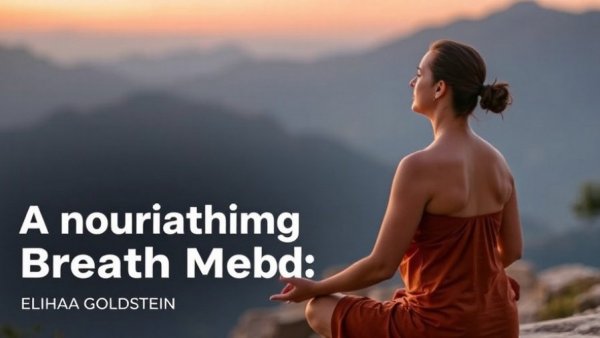
Embracing the Moment: The Power of Mindful Breathing
In today's fast-paced world, finding moments of peace can be challenging. Yet, cultivating a practice of mindfulness meditation can serve as a sanctuary for those battling the stresses of daily life. Elisha Goldstein's nourishing breath meditation invites practitioners to not only acknowledge their breath but to embrace it as a pivotal tool for self-love and awareness. This meditation practice is not just about relaxation; it's about grounding oneself in the present and reconnecting with our authentic selves.
The Journey to Self-Compassion Through Mindfulness
Mindfulness for anxiety has gained traction as a profound way to foster a deeper connection with oneself. According to Goldstein, by acknowledging our breath and the present moment, we create a bridge to self-compassion. This simple act can dissolve anxiety and fears, providing a comforting reminder that what is, simply is. As Goldstein highlights, coming to terms with the way things are is essential for healing. Through the practice of mindful breathing, one can nurture a serene acceptance of life’s changes.
Moreover, embracing self-compassion can significantly impact mental health. When we treat ourselves with kindness during times of distress, we become more resilient against emotional struggles. This connection between self-compassion and psychological well-being is increasingly recognized in therapeutic settings, integrating mindfulness practices into cognitive behavioral therapy. By choosing to be present with our feelings rather than suppressing them, we cultivate a more profound sense of empathy towards ourselves and others.
Daily Mindfulness Practices: Incorporating Breath Meditation
Integrating daily mindfulness practices into our routine can bring transformative changes to how we navigate life. To start, find a quiet space, allow your breath to deepen, and let go of everything else. This breath awareness is more than a meditation; it's a practice of being fully present. As you inhale and exhale, visualize tension leaving your body, replaced by nourishing energy that fosters mental clarity. Regular practice, even if just for a few minutes each day, can enhance your ability to cope with stressors effectively.
Additionally, consider setting specific times throughout the day for short mindfulness sessions—for instance, during a break at work or right before bed. Over time, these brief moments of mindfulness can help build a lasting foundation for a more mindful approach to life.
Guided Mindfulness Exercises for Beginners
Often, beginners might feel overwhelmed at the thought of meditation. However, guided mindfulness exercises can bridge this gap. Consider listening to audio guides or following video demonstrations that focus on breath awareness. Goldstein’s techniques, which emphasize the importance of the breath, can be especially beneficial. They remind us that even in moments of chaos, we have the power to return to the breath, recalibrating our focus. As you begin, it may help to join a local mindfulness group or attend a workshop. Engaging in practice with others not only provides support but also creates a sense of community, enhancing motivation.
Benefits of Mindful Breathing Techniques
Incorporating mindful breathing techniques not just aids in mental clarity but also enhances physical well-being. Research has shown that controlled breathing can lower heart rates and reduce stress hormones. Furthermore, mindfulness and mental health are intertwined; practicing meditation regularly has been linked to improved mood and resilience against negative emotions. Physical benefits extend to improved sleep quality, reduced chronic pain, and better digestion, all of which contribute to an overall sense of well-being. By focusing on the breath, we disengage from stress and re-engage with our physical needs and sensations.
Mindful Living Tips: Beyond Meditation
While meditation is a cornerstone of mindfulness, holistic mindful living tips extend this practice into daily activities. Consider mindful eating habits such as savoring each bite without distraction. This can amplify the nourishment we derive from our food, contributing to overall wellness beyond the mat. Moreover, integrating elements of mindfulness into relationships—listening fully and being present with loved ones—can strengthen connections and enhance emotional integrity. Practicing gratitude, where you take a few moments each day to acknowledge and appreciate what you have, can also foster a positive outlook on life.
The Effects of Mindlessness vs. Mindfulness
It’s essential to understand the contrast between mindful self-compassion and mindless self-indulgence. The latter, often a coping mechanism during stressful times, can lead us away from genuine healing. By consciously choosing to engage in mindfulness practices, we redirect our energies towards self-care and connection with ourselves and the world around us. In our modern world of constant distractions and obligations, this active choice is crucial.
Practical Insights and Tools for Mindfulness
Bringing together practical insights and tools can enhance the journey into meditation. Whether it’s setting aside five minutes every morning to practice breathing or utilizing affirmations to boost awareness, simple steps can lead to significant changes. Moreover, the concept of a body scan meditation can offer a comprehensive approach to connect with ourselves. By focusing on various body parts while breathing, we cultivate a deeper sense of appreciation for our physical presence. Incorporating other mindfulness tools, such as journaling to reflect on your experiences, can reinforce your practice and encourage deeper insights into your emotional state.
Common Misconceptions About Mindfulness
It’s easy to fall prey to misconceptions about mindfulness for beginners. Many believe that meditation requires a quiet mind, but the truth is, the practice involves acknowledging thoughts without judgment. This understanding can empower newcomers, encouraging them to embrace their unique mental landscapes without the pressure of perfection. Remember, even seasoned practitioners experience wandering thoughts; it's all part of the journey towards greater awareness.
Ultimately, the essence of mindfulness lies in accepting the present moment with unconditional kindness. Through the nuances of breath, awareness, and simplicity, one can uncover layers of self-acceptance that resonate beyond meditation. Are you ready to embrace the journey of mindfulness and all its benefits? Start by taking a deep breath, and allow the inherent beauty of the moment to unfold.
Embrace these techniques, and let them guide you towards a more mindful existence, filled with awareness and self-compassion. The practice of mindful breathing isn’t merely an antidote to stress—it’s a gateway to a fuller, richer life experience.





Write A Comment